
Level Up Your Hiking
There’s a reason video games start you at a smooth, easy level. Crush some candy or drive your cart to the finish line and you're rewarded with a sense of accomplishment. The game knows how to hook you, but it also makes sure you’re capable of clearing the level before moving on.
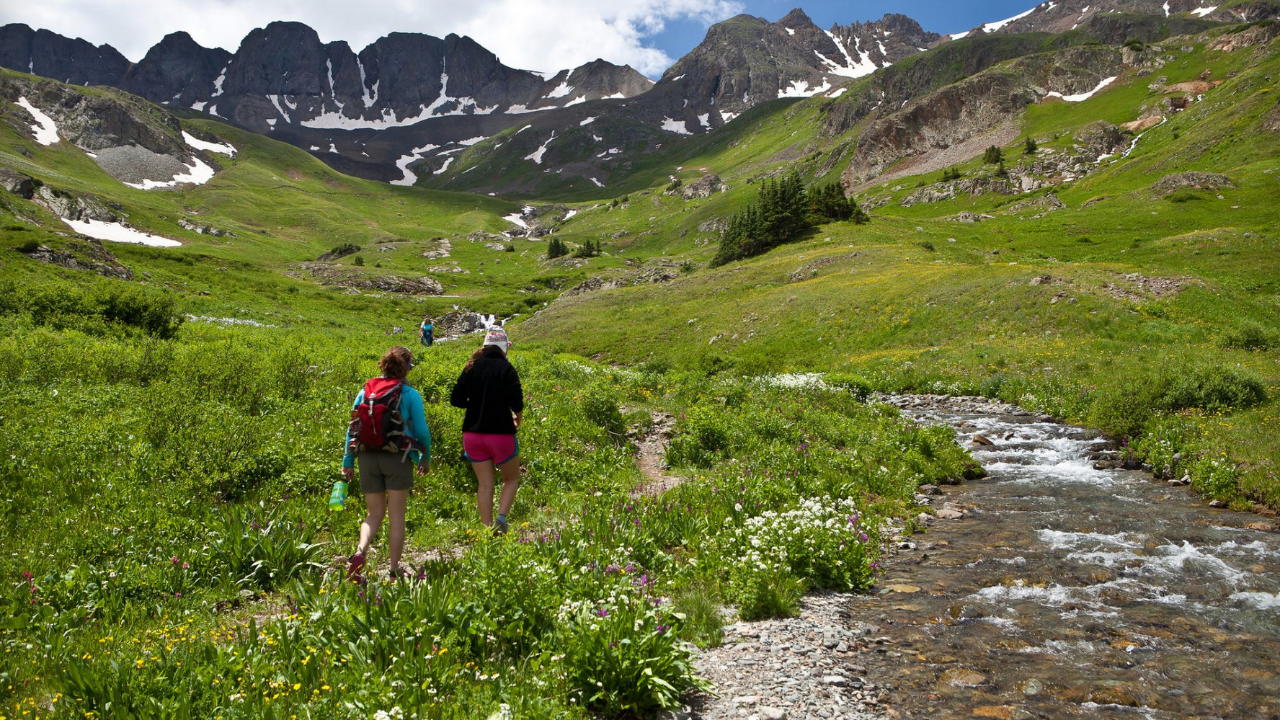
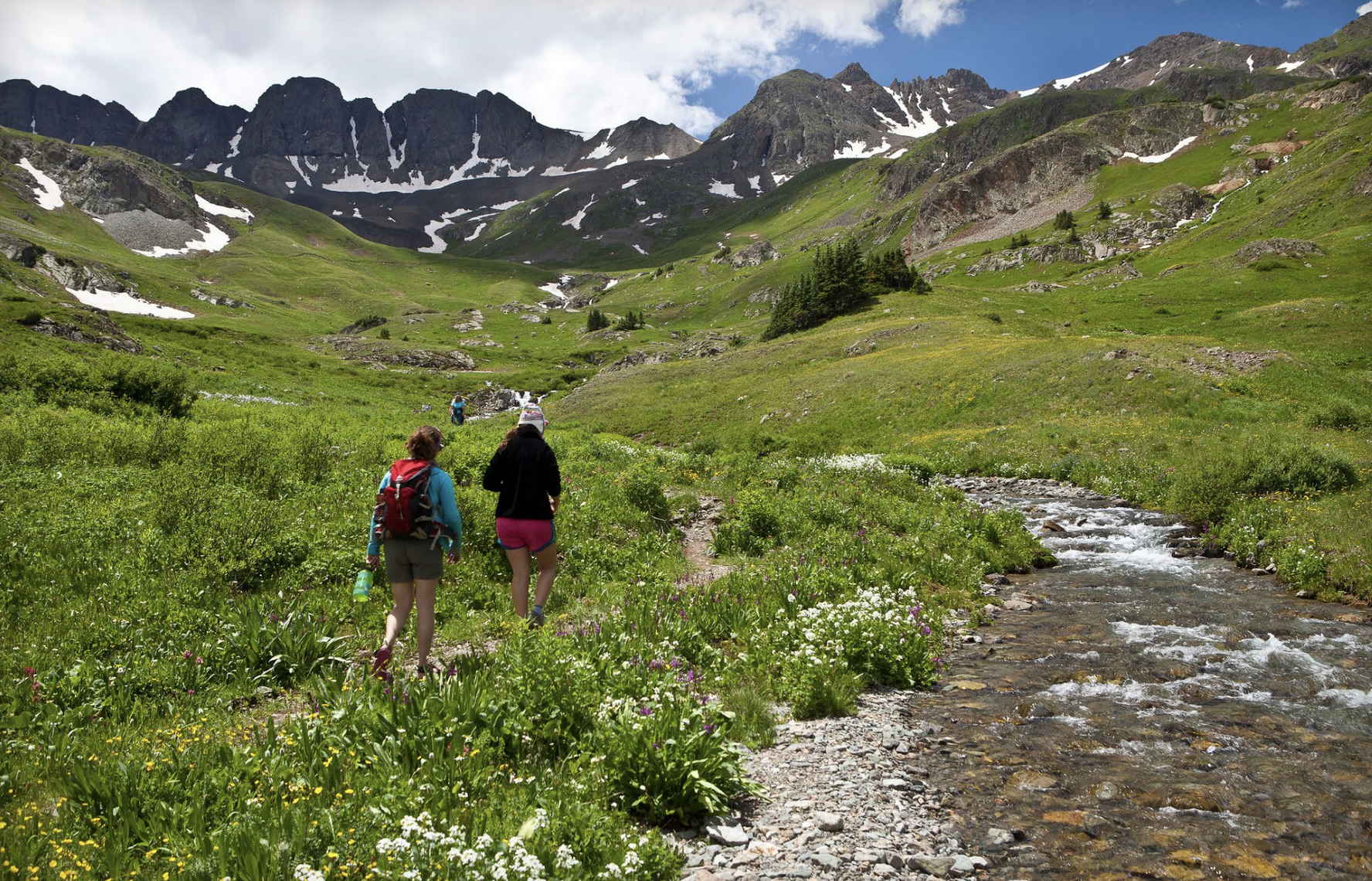
Think of your time on hiking trails in the same way: Master the level you’re on before jumping up to something harder. You’ll build your confidence, rack up some delightful experiences—hiking next to a flowing river is pretty much my nirvana—and establish an internal gauge for what feels right for you.
I know a veteran hiker who began her outdoor journey as a Nervous Nellie. “I was convinced I would be eaten by a bear the minute I stepped out of my car at the trailhead parking lot,” she told me. (In my experience of listening to hundreds of hikers, bears and snakes are the most commonly feared animals.)
Fast forward a few years and she’s now craving deep back country adventure. Over time she grew more comfortable with being uncomfortable—with the difficulty of the trail, the length of the hike, the lack of cell service—and her confidence soared.
START AT THE BEGINNING
There’s no reason you have to launch your hiking career in the deepest, darkest, scariest forest. You can find a trail anywhere—and you can still be a hiker even if you never scale a summit.
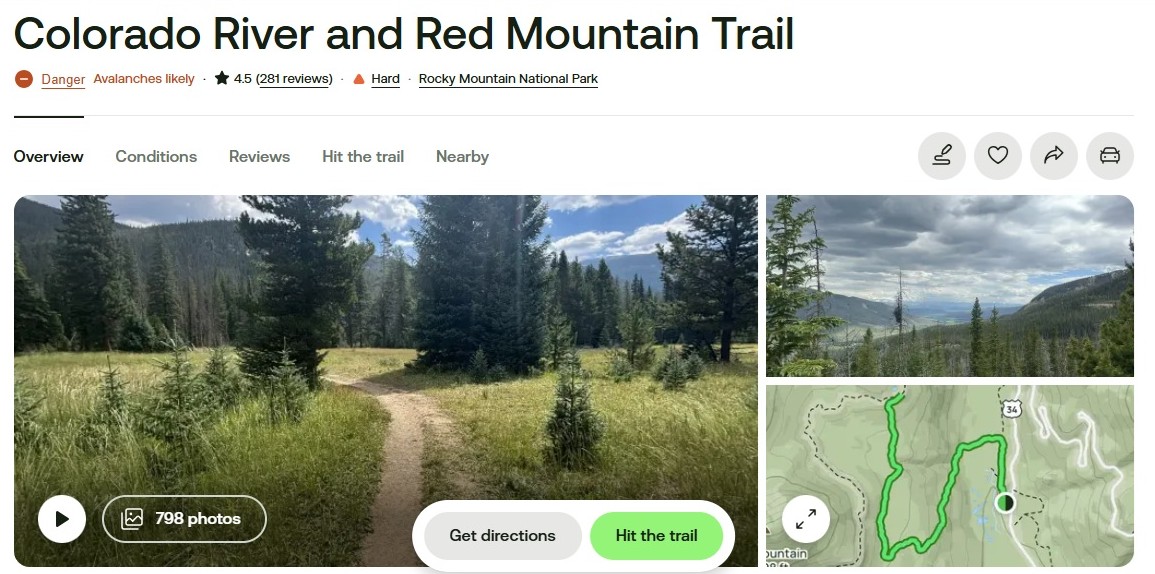
Search for "beginner hiking trails near me" or "walking trails in [your city]." Apps like AllTrails or Trailforks help you filter "easy" locations and include user photos and valuable reviews. Also, look up nearby state parks, which people tend to overlook; they usually have well-marked trails and are well-populated by other nature seekers and rangers.
The entire point of hiking is to spend time in nature while moving your body. If it’s a one-mile loop in a local open space and you increase the number of loops you hike every week, that counts! And other than good shoes and a water bottle, enjoy the benefit of not having to carry extra gear. (By good shoes, I mean something with a solid tread that doesn't cause blisters. That could be running shoes, Chacos, or anything in between.)
Finally, don’t fall for the imposter-syndrome trap. Trails are built and maintained with you in mind; they’re literally there for you to use.
In a nutshell: Short, well-marked trails build confidence fast. Bring the basics every single time: water, snacks, layers, and a charged phone. Also, tell someone where you’re going.
LEVEL UP TO INTERMEDIATE
You've been spending at least an hour on the trail at a time, you’re looking to up your game. Using those same apps, find some new-to-you trails that offer a challenge but are still within your comfort zone. A 4-5 mile hike with between 500-1,500 feet of climbing will offer a nice workout and leave your legs pleasantly tired.
You’ll also want to start getting good at checking the weather and adding appropriate gear. Influencers would have us believe we need to be decked out head-to-toe in outdoorsy attire, but focus on what will keep you comfortable: socks that prevent blisters, a hydration pack with pockets for snacks, and trekking poles if you need a little stability.
If you’re worried about hiking solo, join a local hiking group—again, most cities have one—and meet up with them on the trails. Prefer to go solo? Join the group anyway and hike the trails they recommend. “I found one of my favorite trails because I saw a local group post about it,” says one hiker. As long as you're having fun, you're doing it right.
In a nutshell: Start relying less on your phone and more on reading maps, noticing landmarks, and checking your route. Level up your gear smartly. Build “trail awareness.” Pay attention to footing, weather shifts, trail conditions, and wildlife signs. Add mileage and elevation gradually to avoid burnout or injury.
Also, if your knees or hips feel a little shaky, consider adding hiking poles to your gear roster. Poles help you move more efficiently uphills and also give you some stability coming down. (I have a pair from REI similar to this set; affordable, collapsible, and durable. Check, check, and check.)
GO BIG: ADVANCED
If you're loving your time on the trails and you want to push yourself, consider a long day hike like the Rim to Rim in the Grand Canyon or a multi-day excursion.
At this level, the biggest thing you need to remember is to plan ahead. Then plan again. Then plan one more time for good measure. Some of the most remarkable hikes require permits, a solid understanding of navigation, and a decent haul of gear.
They also require training with a purpose and practicing your nutrition and hydration while training; epic hikes can throw enough variables at you, so dialing in your physical preparation is key.

Use the experts! Brush up on first aid and consider taking a back country survival class—another great way to meet people with stellar trail recommendations. Check out offerings from your local REI, your nearest gear shop, or reliable online resources.
In a nutshell: Know your limits. Experience doesn’t make you invincible, and fatigue sneaks up quietly. Get good at route research, water sources, emergency exits, seasonal risks, and backup plans. Upgrade your gear with intention: Ultralight is great, but durability and safety matter more. Strength, mobility, and endurance work make big-mile days feel way easier.
There’s a great big world out there beyond the pavement. Definitely rush to hit the trails—but hit them at a pace and intensity that feels right for you.